Population - 10,969,649 (July 2016 est.)
Capital - La Paz (administrative capital) and Sucre (constitutional capital)
Official language - Spanish, Quechua, Aymara, Guarani
Currency - Bolivian
International phone code - +591
Time zone - UTC/GMT -4
Main airports - El Alto International Airport (La Paz)
Where to stay in Bolivia
If you're looking for a hotel in Bolivia, Booking.com constantly offers the cheapest rates and has the largest selection of accommodation. The platform offers competitive prices and in many cases allows cancellations free of charge.
Travel insurance in Bolivia
Before travelling to Bolivia, it is extremely important to check the safety conditions. This is essential for better planning the adventure. And, during the journey, to keep up to date in the event of any minor or serious situation during your stay.
My advice is that, even before you book your flight to your destination of choice, you should check this website and see if there are any problems. What's more, you'll find detailed maps showing which places and regions are not recommended or where it's dangerous to travel. If you're spending €500 or €1,000 on your holidays, are you going to risk losing all that to avoid investing €30 or €40 in travel insurance?
I recommend travel insurance at IATI or Heymondo 5% discount with this link. Do you already have travel insurance for your holidays in Bolivia?
When to visit Bolivia
In Bolivia, the climate varies more as a result of altitude and topography. In the Altiplano, the altitude leads to very cold temperatures at night (particularly June and July) and very high temperatures during the day in the dry season - May to October.
The plains to the east have very high temperatures during the rainy season, November - March.
Summer is the rainy season and lasts from November to March. In the Amazon, road transport becomes practically impossible as huge areas are flooded, combined with mud, heat, humidity and mosquitoes.
Instead, river transport is becoming more regular. In the highlands, on the Altiplano, the rains are much less and travelling less restricted, although there are still road cuts.
The days are slightly shorter in the dry season, but generally sunny, making this the best time of year for hiking.
The best time to travel to Bolivia is during the dry season - May to October. For example, to see the Salar de Uyuni, and the surreal scenery it mirrors, you should do so during or at the end of the rainy season - in March.
Out of time in Bolivia?
Book in advance to avoid unforeseen problems, the best tours, activities and transfers with GetYourGuide. Don't forget to check out the passes and monument tickets, which offer easy access to various attractions. often at a discount.
Flight to Bolivia
Skyscanner is a platform for finding cheap flights quickly and easily. With a simple interface and price comparisons from various companies, this is an essential tool for planning your trip.
Renting a car in Bolivia
A DiscoverCars is a car hire comparison and booking platform that lets you find the best deals in 8,000 destinations. With a simple interface and transparent pricing options, it's a great choice for anyone looking to hire a car.
Money in Bolivia
I use Wise and Revolut cards to avoid bank fees and commissions. Wise and Revolut are great for travelling, as they both offer prepaid travel cards that allow you to make purchases and withdrawals in different currencies, without fees and without complications. I always travel with both.
Internet and Wifi in Bolivia
The most affordable method of accessing the internet is to use this eSIM (with 15% discount). Discover the world without worrying about roaming and access high-speed internet in over 190 countries.
Luggage in Bolivia
Store your luggage safely and cheaply so you can explore Bolivia without the weight of your suitcases. This storage service allows you to shop your belongings in shops, hotels and other partners. Booking can be done online in just a few seconds and the service is available 24 hours a day.
One of Bolivia's most iconic sights is the Salar de Uyuni, the largest salt desert in the world, which looks like an immense mirror of water. For adrenaline junkies, the Death Road in the Yungas is a thrilling challenge, with dangerous curves and breathtaking views. In La Paz, the capital, you can explore colourful markets and streets that are more than 3,600 metres high, with impressive views of the mountains. Potosí, known for its silver history, and Sucre, the country's constitutional city, are also fascinating places.
Another unmissable destination is Lake Titicaca, the highest navigable lake in the world, where you can visit the floating islands of the Uros. Oruro is famous for its carnival, one of the biggest and most vibrant in South America, with incredible dances and costumes.
If you're going to be in Bolivia, then take the opportunity to find the best experiences, activities and tours. From gastronomic experiences to buying tickets or unique adventures on land and sea, this is a great way to discover this destination.
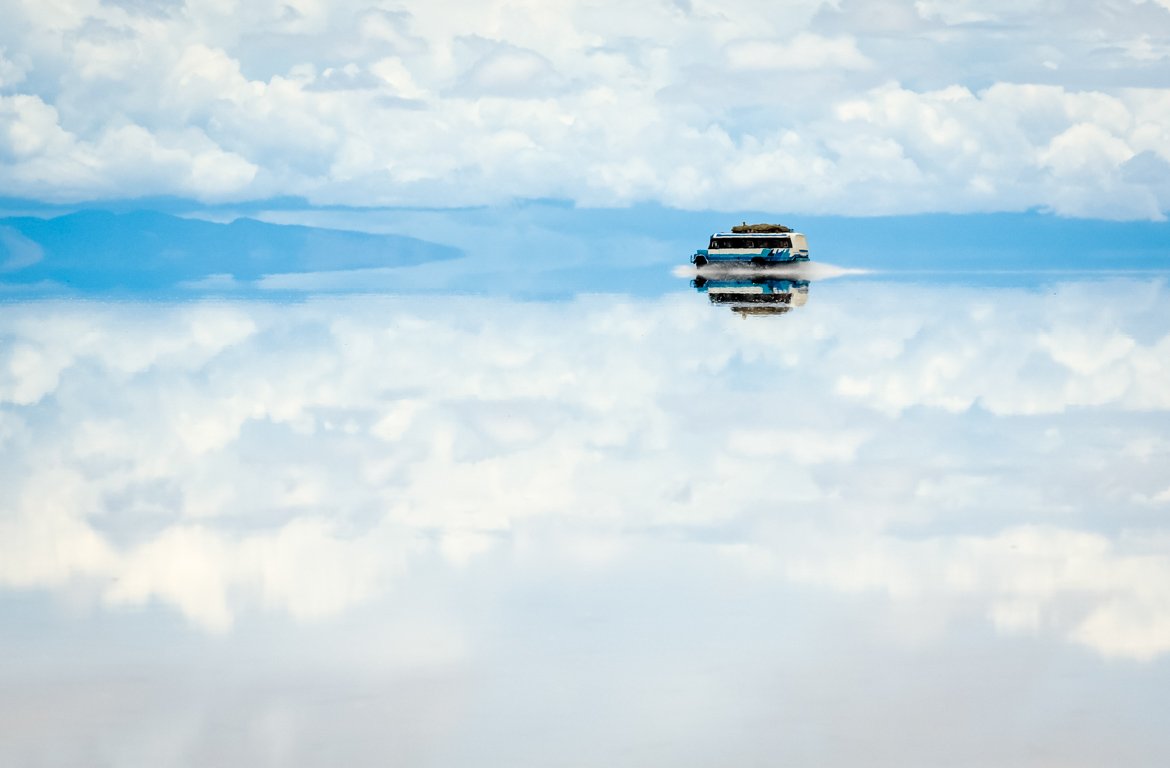
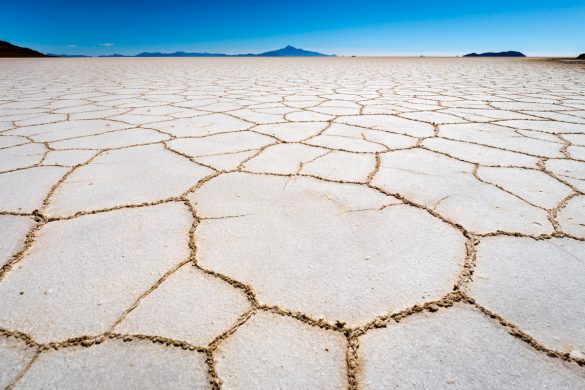
The intense blue of the sky is in stark contrast to the pure, almost blinding white of the Uyuni salt flats. The region's unusual landscape of mountains, active volcanoes and hot springs is like nowhere else on the planet.
The Salar de Uyuni is the largest salt lake in the world, covering more than 10,000 km², in the highlands of Bolivia, at an altitude of 3,600 metres. It is the remains of an ancient salt lake and is estimated to contain 10 billion tonnes of salt, 25,000 of which are extracted every year.
This region is one of Bolivia's most spectacular natural attractions and every photographer's dream. It's a surreal landscape that combines salt flats, rock formations moulded by the wind and mudflats that roam in an area that is practically deserted.
In the heart of the Salar de Uyuni you can also visit the Isla de Pescadores, a land mass from nowhere that appears like a mountain in the immensity of the white sea.
Other places in the vicinity of Uyuni that are (should be) worth visiting are Laguna Colorada - a large red lagoon whose colour is the result of algae and plankton growth in the mineral-rich waters - and Laguna Verde - a lake whose striking blue-green colour is due to high concentrations of lead, sulphur and copper.
In addition, these lagoons are often covered in flamingos. Another popular attraction in the Salar de Uyuni is the train cemetery, which contains trains abandoned by mining companies.
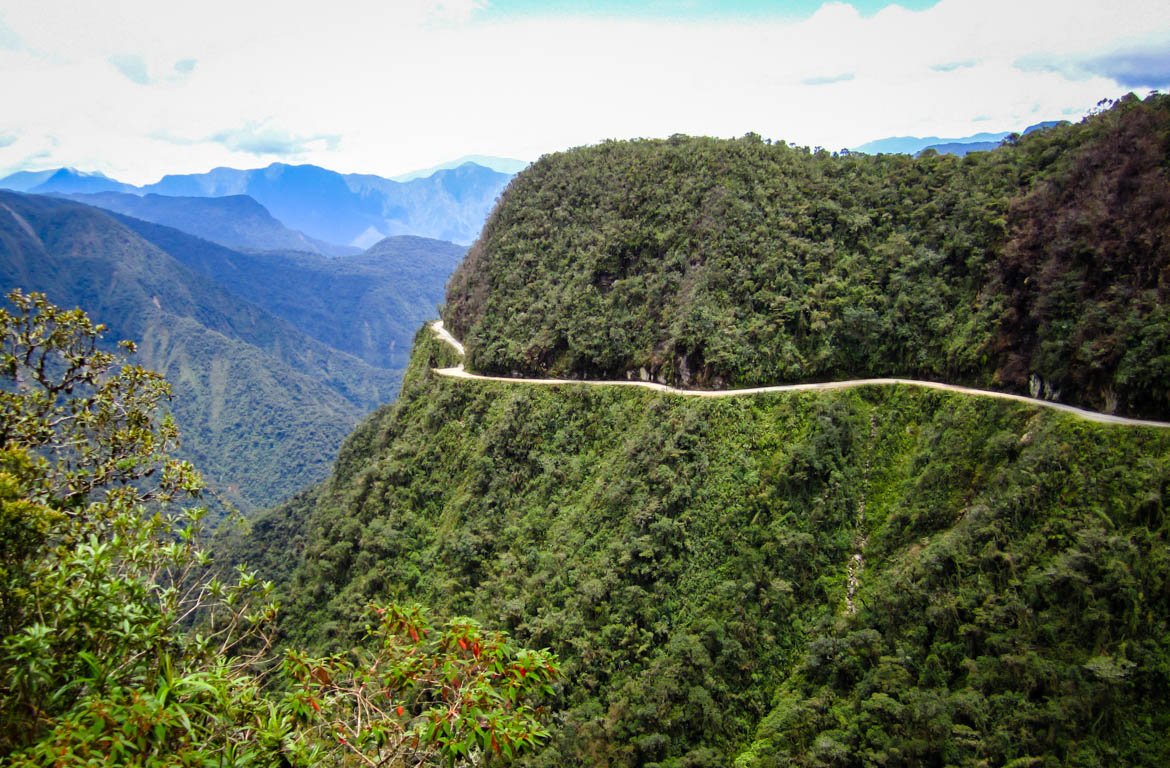
Nicknamed the "World's Most Dangerous Road", it runs from the highlands of La Paz to the tropical region of Yungas.
The route covers a distance of 56 kilometres between Bolivia's capital, La Paz, and Coroico, in the Yungas region. It first ascends to around 4650 metres, at the La Cumbre Pass, before descending vertiginously to an altitude of 1200 metres.
This is not an attraction for vertigo sufferers, as "El Camino de la Muerte" stretches between La Paz and Coroico in Bolivia, and it is estimated that 200 people lose their lives here every year.
Despite this, Yungas has become a favourite attraction for mountain bikers who descend the road at high speed, unleashing their adrenaline. This road is particularly problematic for lorry drivers, although there are strict rules about driving in this area.
Contrary to the normal Bolivian way of driving, drivers keep to the left and uphill vehicles have priority.
The road has steep cliffs that can reach 600 metres. It is largely made up of just one lane and has few guard rails.
In addition, during the rainy season, November to March, rain and fog can severely hamper visibility and water run-off, and landslides can be fatal. In summer, rockfall is common, while excessive dust reduces visibility.
The Yungas road has been widened in the last decade, but the original route, now called the North Yungas Road, is still in use by tourists.
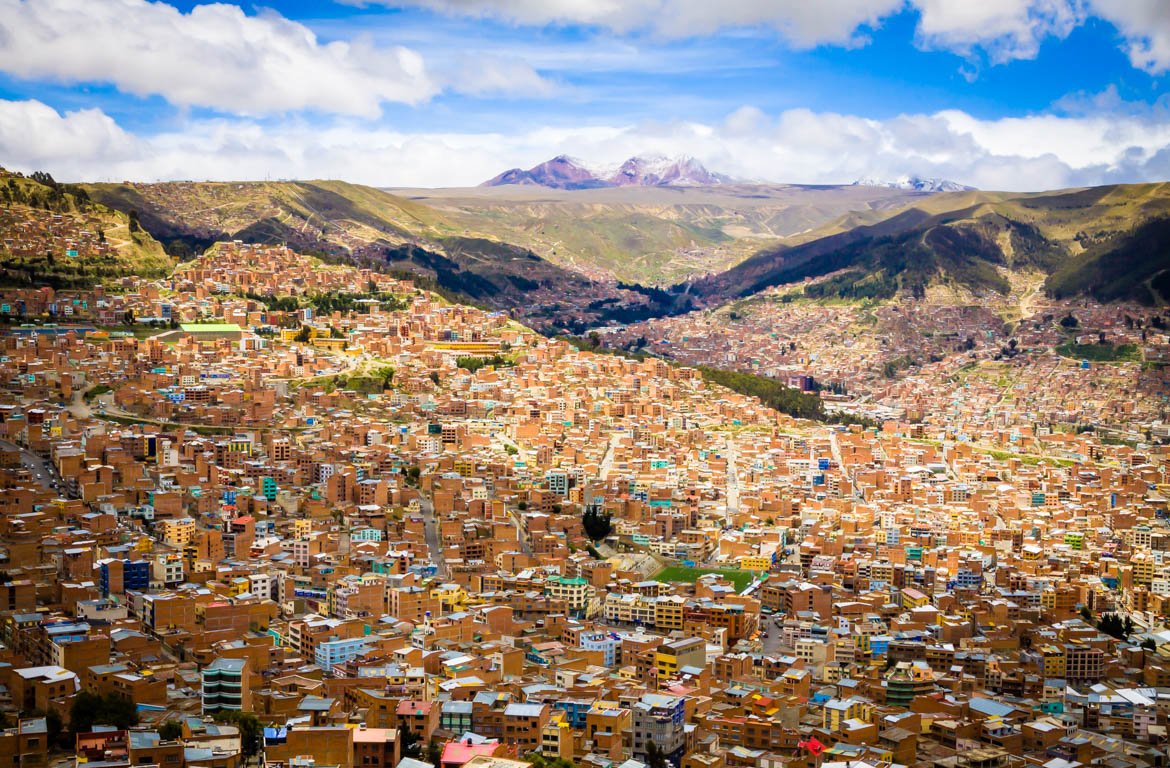
At an altitude of 3660 metres, La Paz is one of the highest cities in the world. The imposing Mount Illimani in the background and the valleys below are the Bolivian capital's poster image. La Paz is the administrative capital of Bolivia, while Sucre is the constitutional capital.
The slum areas of El Alto are slowly giving way to modern skyscrapers and tree-lined streets in the city centre.
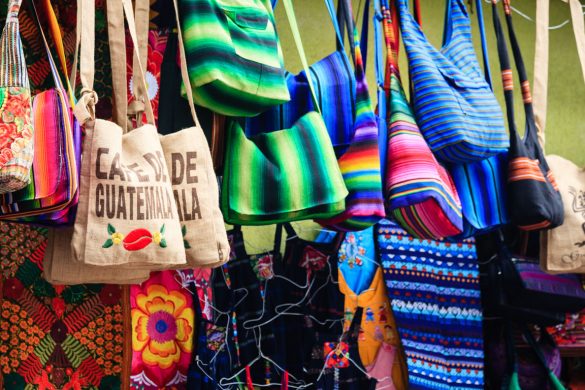
You'll find grand government buildings, impressive museums and vibrant markets, including the Witches' Market, where you can buy accessories needed for Aymara rituals.

The city of Potosí is known for its imposing churches, ornate colonial architecture and friendly inhabitants.
Potosí is a true relic, but that's not all that motivates visitors. Founded in 1545 by Spanish conquistadors, Potosí's history is entirely linked to silver mining.
The city was once one of the largest and richest in South America and a visit to Potosí will be incomplete without a visit to one of the mines that are still active.
Before its discovery by the conquistadors, Potosí was one of the richest cities in the world. The famous city of silver was what the Spanish were looking for with El Dorado, except that the metal they found was silver and not gold.
Working conditions have changed little since colonial times and miners work in extreme conditions.
Although silver disappeared a long time ago, tin is still mined in Cerro Rico. Many tourists visit the miner's market and buy offerings for the miners before visiting the mines.
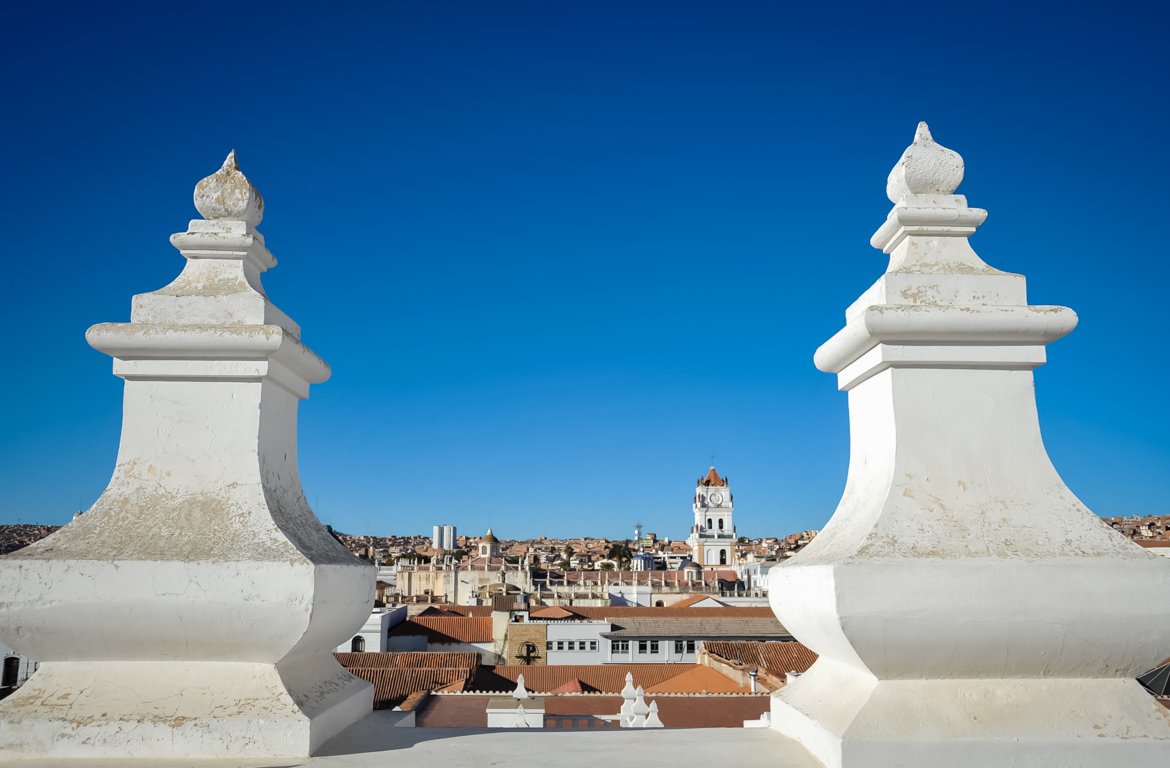
Sucre was once the nation's capital and is famous throughout South America as the White City. Also known as the "City of Four Names", Sucre is also called Charcas, La Plata and Chuquisaca.
Founded in the 1500s by Spanish colonisers, Sucre offers visitors a clear glimpse of 16th century Spanish aristocratic life.
The city centre is home to a number of well-preserved whitewashed houses. In Sucre there are several important historical buildings that are worth exploring, including La Casa de la Libertad - where Simón Bolívar drafted the Bolivian Constitution - or the National Library of Bolivia, which features documents dating back to the 15th century.
Visitors can enjoy the elegant architecture, local museums, or join excursions to see volcanic craters, dinosaur footprints or the seven waterfalls.
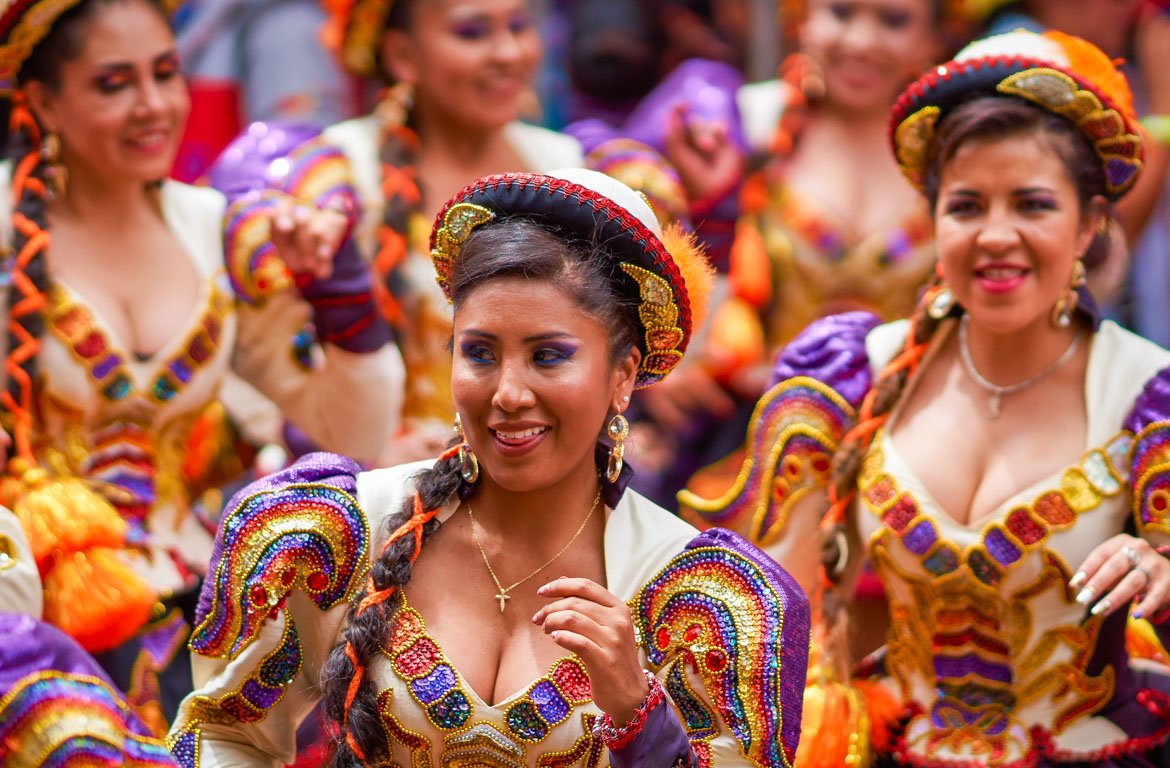
This mining town is one of the largest in Bolivia, but is best known for its lavish costumes and festivities during the Carnival season.
Thousands of dancers and musicians parade in the Oruro Carnival, consisting of a wide variety of ethnic dances.
Every year in Oruro, just before Ash Wednesday, the city hosts this important folkloric and cultural event - one of the most symbolic in the whole of South America.
Unlike the carnival in Rio, where a new theme is chosen each year, the carnival in Oruro kicks off with the diablada or devil's dance, maintaining the artistic expression from pre-Columbian America.
The festival features more than 20,000 revellers and 10,000 musicians performing a wide variety of ethnic dances.
Apart from Carnival, you can explore the vast plains of the region, or stay in town and visit museums and Calle La Paz, where many of the costumes and masks for the festival are designed.

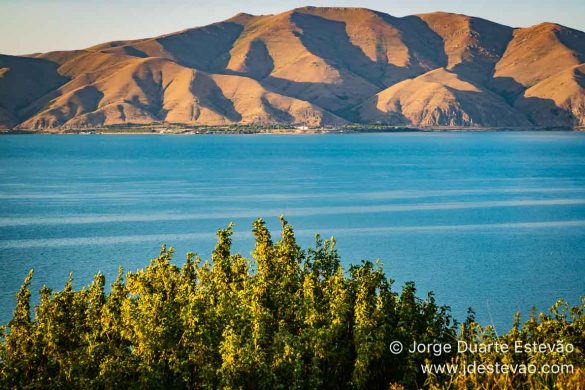
On the border between Bolivia and Peru, Lake Titicaca is the largest lake in South America. The Incas, as well as other native peoples, are thought to have originated here.
Lake Titicaca, often called the highest navigable lake in the world (3812 metres), is a popular holiday destination.
Lake Titicaca, which in Andean belief is seen as the cradle of the sun, is located at the northern end of the Andean plateau basin. The western part of the lake lies within the region of Puno in Peru, and the eastern side in the Bolivian department of La Paz.
Near the south-eastern shore of the lake are the Tiwanaku ruins, which scholars believe were a precursor to the Inca Empire.
Whenever you want to book a flight, a hotel or buy travel insurance, use the platforms I recommend and trust. All you have to do is click on the links below before researching your trips.
You don't pay extra for using these links.
- Hotel in Bolivia at the best price
- Travel Insurance at IATI or Heymondo (5% discount with this link)
- Cheap flights for your next trip
- Rental car with reduced rates
- Bank card without commissions for travelling
- Store your luggage safely and cheaply
- Photography workshops — learn photography with me
Note: This text may contain affiliate links, but you don't pay more for using any link (and you can even save money). Guaranteed!